Are VPNs Legal in China? Understanding the Regulations and Risks in 2026
By Pavel Glukhikh · CEO, Nubinity LLC · Published December 14, 2024 · Updated July 6, 2026 · 2 min read

Quick answer
China restricts VPNs but does not outright criminalize personal use. The law targets providers: only state-approved VPNs may operate, and selling unauthorized VPN services is illegal. Individuals — especially foreigners and travelers — are rarely penalized, though isolated fines have been reported. The bigger obstacle is technical: the Great Firewall actively detects and blocks VPN traffic, so only obfuscated VPNs installed before arrival work reliably.
Are VPNs Legal in China?
The short answer is no, VPNs are not fully legal in China. While it is not illegal for individual users to use a VPN to access blocked content, the Chinese government has imposed strict regulations on VPN services. These regulations are intended to control internet access and ensure that only government-approved VPNs are used.
The government has made it illegal for companies and individuals to operate VPN services without explicit permission from the authorities. This means that while you, as a private user, may use a VPN to access the internet, the use of unauthorized VPNs is a violation of Chinese law.
Why is the Chinese Government Strict About VPNs?
China’s strict censorship is a core aspect of the government’s efforts to maintain control over its citizens’ access to information. The government blocks access to websites and services that it deems inappropriate or harmful, including popular platforms like Google, Facebook, Twitter, and YouTube. To keep a tight grip on this control, the Chinese government has implemented a sophisticated system—known as the Great Firewall—to monitor and filter internet traffic.
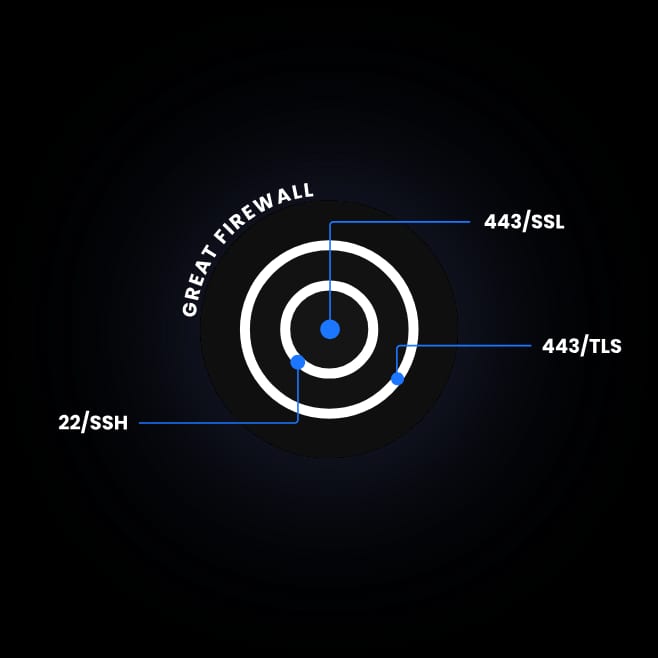
Veilock VPN’s censorship bypass technology breaking through China’s firewall.
VPNs allow users to bypass these restrictions by encrypting traffic and routing it through servers located outside of China. This enables users to access restricted content and maintain privacy online. As a result, VPNs are viewed by the government as a tool for evading its censorship and surveillance, which is why the authorities are strict about unauthorized VPN services.
Will it be Safe to Use a VPN in China in 2025?
While there are legal risks involved, many people still use VPNs in China without encountering legal trouble. However, to minimize risks, it is important to use a reliable VPN service that can bypass the Great Firewall without drawing attention.
Veilock VPN is a top choice for users in China because it offers advanced obfuscation technology that makes VPN traffic appear like normal HTTPS traffic. This makes it harder for the government to detect and block your VPN connection, allowing you to enjoy a safer and more secure browsing experience.
While VPNs are not fully legal in China, many users still rely on them to bypass censorship and enjoy unrestricted internet access. Using a trusted and reliable VPN like Veilock can help you stay connected while minimizing the risks associated with internet censorship.
Remember, always stay informed about the latest legal developments and use VPN services responsibly to avoid any potential issues.
For those seeking a secure and private internet experience in China, Veilock VPN is an ideal choice, offering robust privacy protection and advanced features to bypass restrictions. Try Veilock VPN today and experience unrestricted access to the internet in China.