Basics and Protection of Cybersecurity
By Dylan Lambertson · Contributor · Published January 4, 2026 · Updated August 28, 2026 · 2 min read
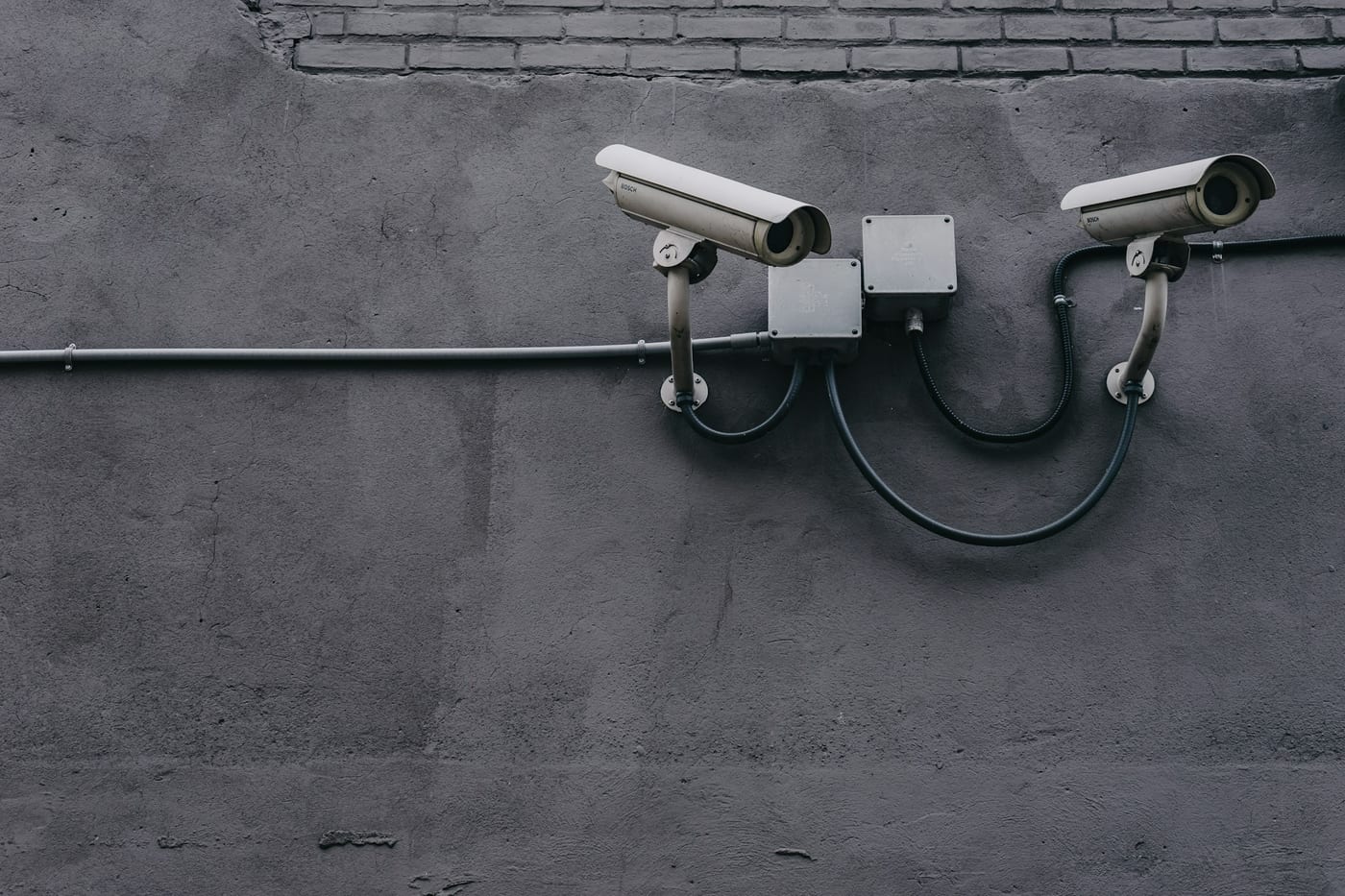
Cybersecurity is the practice of protecting systems, networks and devices from digital attack, theft and damage. As more of daily life moves onto connected systems, our personal and sensitive information is stored online and our critical infrastructure is increasingly controlled by computer systems that are vulnerable to cyber attacks. In this article, we will break down the concept of cybersecurity, the importance of it, the consequences of cyber attacks and provide you with some practical steps to protect yourself and your organization from cyber threats. With the right knowledge and tools, you can stay safe online and enjoy the benefits of technology without worrying about cyber threats.
Key Points
Cybersecurity refers to the measures taken to protect computer systems, networks, and devices from digital attacks, theft, and damage.
The increasing reliance on technology in every aspect of our lives makes cybersecurity a critical concern for individuals, businesses, and governments alike.
To protect yourself and your organization from cyber threats, it is important to use strong, unique passwords, enable two-factor authentication, be cautious when clicking links, keep your software and devices up to date, and use a reputable antivirus program.
What is Cybersecurity?
Cybersecurity is the practice of protecting computer systems, networks, and devices from digital attacks, theft, and damage. In simple terms, it’s all about keeping your sensitive information and online presence safe from cybercriminals.
Why is it Important?
With the increasing use of technology in every aspect of our lives, cybersecurity has become more important than ever before. Our personal and sensitive information is stored online, from financial accounts and personal documents to family photos and private messages. At the same time, our critical infrastructure – including power grids, transportation systems, and communication networks – is increasingly controlled by computer systems that are vulnerable to cyber attacks.
The Consequences of a Cyber Attack
The consequences of a cyber attack can range from the theft of sensitive information to the disruption of essential services. Cyber attacks can cause financial losses, damage to reputation and even compromise national security.
Protect Yourself and Your Organization
Fortunately, there are steps you can take to protect yourself and your organization from cyber threats. Here are a few key things to keep in mind:
- Use strong, unique passwords
- Enable two-factor authentication
- Be cautious when clicking links
- Keep your software and devices up to date
- Use a reputable antivirus program
Stay Safe Online
By following these simple steps, you can greatly improve your cybersecurity and reduce the risk of falling victim to a cyber attack. Remember to stay vigilant and always be on the lookout for potential threats. With the right knowledge and tools, you can stay safe online and enjoy the benefits of technology without worrying about cyber threats.
Cybersecurity is crucial in today’s digital world. By understanding potential risks and implementing basic protective measures, such as strong passwords and updated software, individuals and organizations can safeguard against cyber attacks. Stay vigilant and secure online.